Keep Comfortable: Leading Air Conditioning Services for All Household
As it relates to ensuring coziness in the home, selecting the right cooling company is critical. Homeowners must assess factors such as company track record, technician certifications, and the assortment of cooling options available. Routine maintenance holds a major role in system efficiency, while spotting signs of needed repairs can forestall unexpected system issues. Yet, many still overlook energy-efficient solutions that could deliver both comfort and savings. What are the recommended approaches for selecting and maintaining these systems?
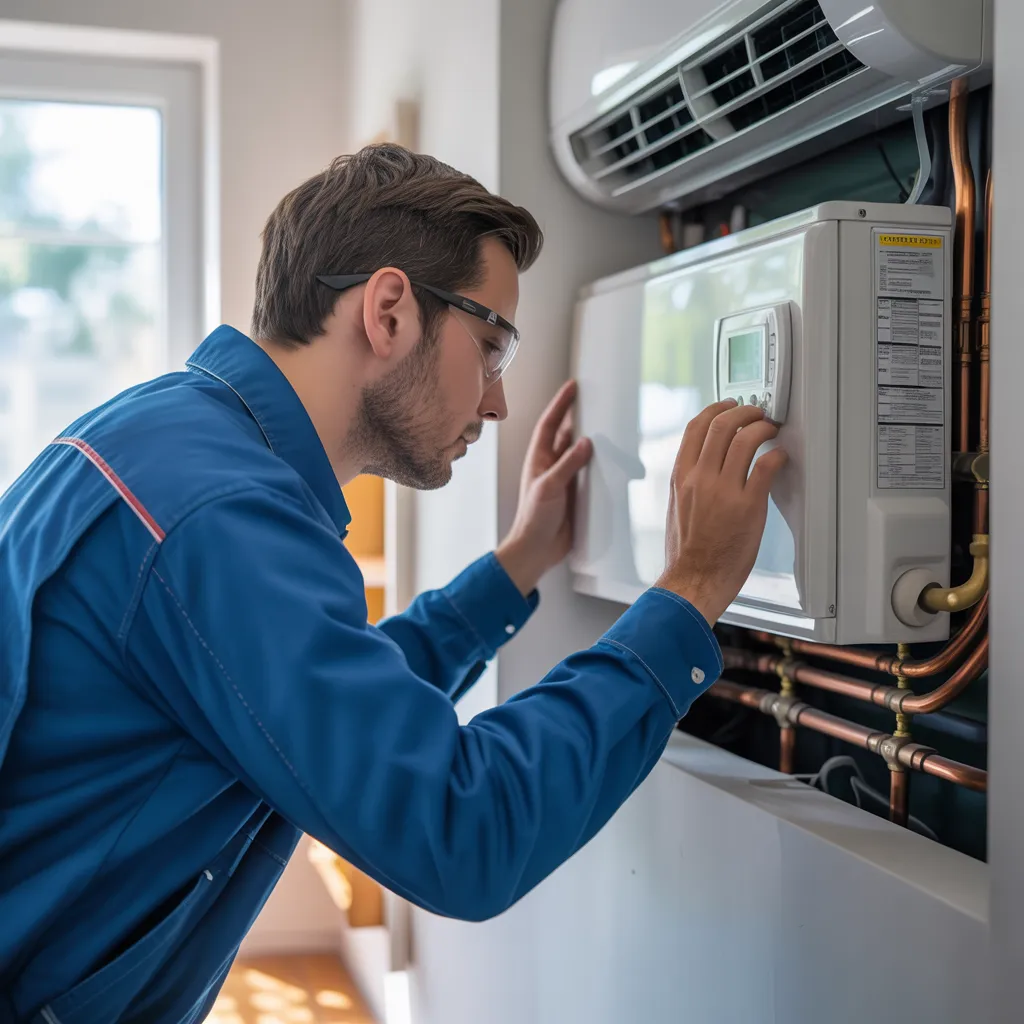
Tips for Selecting the Best Air Conditioning Services
When choosing the top air conditioning solutions, what elements should one evaluate? First, it is crucial to assess the company's reputation. Customer reviews and testimonials can offer insight into dependability and quality of service. Additionally, confirming the certifications and qualifications of professionals is important, as skilled professionals ensure proper installation and maintenance.
One more crucial matter is the scope of options delivered. A thorough service provider should undertake installation, repair, and routine maintenance. Likewise, transparency in pricing eliminates unexpected costs; obtaining detailed estimates is sensible.
Moreover, evaluate the reaction period for crisis situations, as fast service can be crucial during extreme weather conditions. Finally, look for businesses that offer warranties or guarantees on their work, which can offer extra confidence. By factoring in these aspects into account, people can decide thoughtfully when picking air conditioning options that best fit their requirements.
Understanding Various Kinds of Air Conditioning Units
Learning about the different types of air conditioning units is essential for effective discover the information climate control in homes and businesses. Central air conditioning systems furnish thorough cooling through ductwork, while ductless mini-split options provide flexibility and efficiency for targeted spaces. Each system has special advantages that address to different needs and preferences.
Heating and cooling installations for central air conditioning
Central air conditioning units offer an efficient solution to temperature control in entire homes or large spaces. These systems consist of a central unit that moves cooled air through a network of ducts, guaranteeing uniform temperature distribution. Typically, they include an outdoor compressor unit and an indoor air handler, which function together to preserve comfort. Central air conditioning is known for its efficiency, particularly in larger homes, as it can refrigerate multiple rooms at once. Installation demands professional assessment, accounting for factors like home size and insulation. Regular maintenance, including filter changes and system checks, is essential for optimal performance and longevity. Homeowners typically value the ease of centralized control, rendering it a popular choice for residential cooling needs.
Ductless Mini-Split Possibilities
Ductless mini-split systems supply a flexible and efficient choice to traditional air conditioning units, especially in homes without ductwork. These systems contain an outdoor compressor unit and one or more indoor air-handling units, supporting strategic temperature management in specific areas. This design not only optimizes energy efficiency by sidestepping energy loss tied to ducted systems but also extends homeowners with personalized climate control. Mini-splits are accessible in various configurations, featuring single-zone and multi-zone systems, accommodating different space requirements. Additionally, many models incorporate advanced technologies such as programmable thermostats and energy-saving modes. Overall, ductless mini-splits embody a multipurpose approach for upholding pleasant conditions in diverse living environments.
Important Maintenance Guidelines for Your AC System
Keeping your AC system in good shape is crucial for maximum efficiency and long-term reliability. Important service routines involve frequent filter maintenance, cleaning coils, and calibrating the thermostat. Using these vital practices can significantly boost energy efficiency and minimize energy spending.
Regular Filter Replacement
Consistently replacing air filters is important for ideal air conditioning efficiency. Clogged filters restrict airflow, forcing the system to work harder, which can lead to increased energy consumption and reduced efficiency. This strain may shorten the lifespan of the unit and result in expensive repairs. Moreover, dirty filters can circulate dust, allergens, and other pollutants throughout the home, compromising indoor air quality. Homeowners should check their filters monthly and replace them every one to three months, depending on usage and filter type. Regular upkeep not only enhances comfort but also ensures the system operates at peak performance. By prioritizing filter replacement, individuals contribute to a more energy-efficient environment and a healthier living space.
Why Coil Cleaning Is Essential
Cleanliness plays an crucial role in the efficiency of an air conditioning system, especially when it comes to the coils. The evaporator and condenser coils are vital for heat exchange, and dirt accumulation can significantly hinder their performance. When coils are dirty, the system must work with greater effort to cool the air, leading to increased energy consumption and higher utility bills. Regular coil cleaning helps preserve ideal airflow and enhances the overall effectiveness of the unit. It can also prolong the lifespan of the air conditioning system by preventing overheating and mechanical failures. Homeowners should schedule professional cleaning at least once a year, particularly before peak usage seasons, to guarantee their system operates smoothly and efficiently.
Temperature Control Calibration Checks
A well-calibrated thermostat is key for optimal air conditioning functionality. Regular adjustment inspections confirm that the thermostat precisely indicates the set temperature, stopping unnecessary energy waste and boosting comfort. Over time, issues including dust accumulation or temperature fluctuations can bring about discrepancies in readings. Homeowners should schedule these checks at least once a year or before peak usage seasons. During a calibration check, technicians can adjust the settings, ensuring maximum efficiency. Additionally, upgrading to a smart thermostat can grant more precise control and energy conservation. Maintaining a well-tuned thermostat not only lengthens the longevity of the air conditioning system but also aids in lower utility bills, making it a significant aspect of overall HVAC maintenance.
Clues Your Air Conditioner Needs Repairs?
How can homeowners ensure their air conditioning units are working at their best? Recognizing the signs that indicate a need for repairs is vital. One common warning sign is inadequate cooling; if the air conditioner has difficulty to maintain a comfortable temperature, it may signal hidden issues. Unusual noises, such as grinding or squealing, can also suggest mechanical problems that require attention. Additionally, a noticeable increase in energy bills without a change in usage may suggest the unit is working harder than necessary due to inefficiencies. Homeowners should also be alert to unusual odors, which can indicate mold or electrical issues. Finally, if the system frequently cycles on and off, known as short-cycling, it often points to a malfunction that should be addressed promptly. By staying vigilant for these signs, homeowners can make sure their air conditioning systems stay in peak condition.
What Steps to Follow if Your AC Fails?
When an air conditioning unit malfunctions, it can affect your comfort and generate worry for residents. The first thing to do is to examine the thermostat to ensure it is set correctly. If it appears to be working, homeowners should look at the breaker box for any blown fuses or tripped switches. Next, examining the air filter for dirt and obstruction is important, as a dirty filter can limit airflow. If these simple troubleshooting steps do not address the issue, calling a professional technician is recommended. They can identify complex issues, such as coolant leaks or compressor failures. Residents should not attempt repairs without sufficient knowledge, as this can result in further damage. While awaiting service, keeping doors and windows shut can help preserve indoor temperatures. By following these guidelines, homeowners can more effectively manage the situation until professional service arrives.
Power-Conserving Approaches for Controlling Home Coolness
While basic air conditioning systems are working well, looking into high-efficiency cooling solutions can substantially cut both electrical usage and utility payments. Homeowners can prefer equipment with high SEER ratings to deliver excellent performance. Ductless mini-split systems grant flexibility, facilitating targeted temperature management without the power loss found in traditional ducted systems. Concurrently, automated temperature controllers can optimize cooling schedules, accommodating the occupant's lifestyle and suppressing excess energy waste.
Evaporative coolers, appropriate for dry climates, leverage water evaporation to cool air, using considerably less electricity than conventional units. For those pursuing sustainable solutions, solar-powered air conditioning units harness renewable energy, further decreasing environmental impact.
Finally, routine upkeep and proper insulation are essential in maintaining efficiency. Through adopting these energy-efficient cooling alternatives, homeowners can enjoy comfort while simultaneously aiding to energy conservation and financial savings.
Often Requested Questions
How Regularly Should I Replace My Air Conditioner?
Air conditioning units typically require replacement every 10 to 15 years, based on usage and maintenance. Consistent servicing can prolong their life, but performance drops over time, prompting many homeowners to contemplate replacement sooner.
Is it possible to install an AC Unit on My Own?
Installing an AC unit on your own is possible, but it requires technical knowledge and adherence to local codes. Improper installation can result in performance problems or dangerous conditions, so expert help is frequently suggested for optimal operation.
What Manufacturers Display the Superior Protection?
Major brands like Trane, Lennox, and copyright present some of the superior warranties in the field. Commonly, these warranties cover parts for up to ten years, ensuring customers with confidence regarding their expenditure.
How Can I Enhance My AC's Performance?
To enhance an AC's performance, one should regularly clean or replace filters, ensure proper insulation, schedule annual maintenance, and adjust thermostat settings. Additionally, closing ducts can prevent energy loss, boosting overall performance and lowering energy costs.
What credit options are offered for AC installation services?
Many businesses offer financing options for air conditioning installation, allowing homeowners to pay over time. These plans often include loans with low interest rates or payment plans, making it more convenient to invest in energy-efficient air conditioning.